Overview of ISBAR Handover Model Implementation among Inpatient Nurses at Santa Elisabeth Hospital Medan in 2026
DOI:
https://doi.org/10.58184/miki.v4i3.1117Keywords:
ISBAR, handover, communication, nurses, patient safetyAbstract
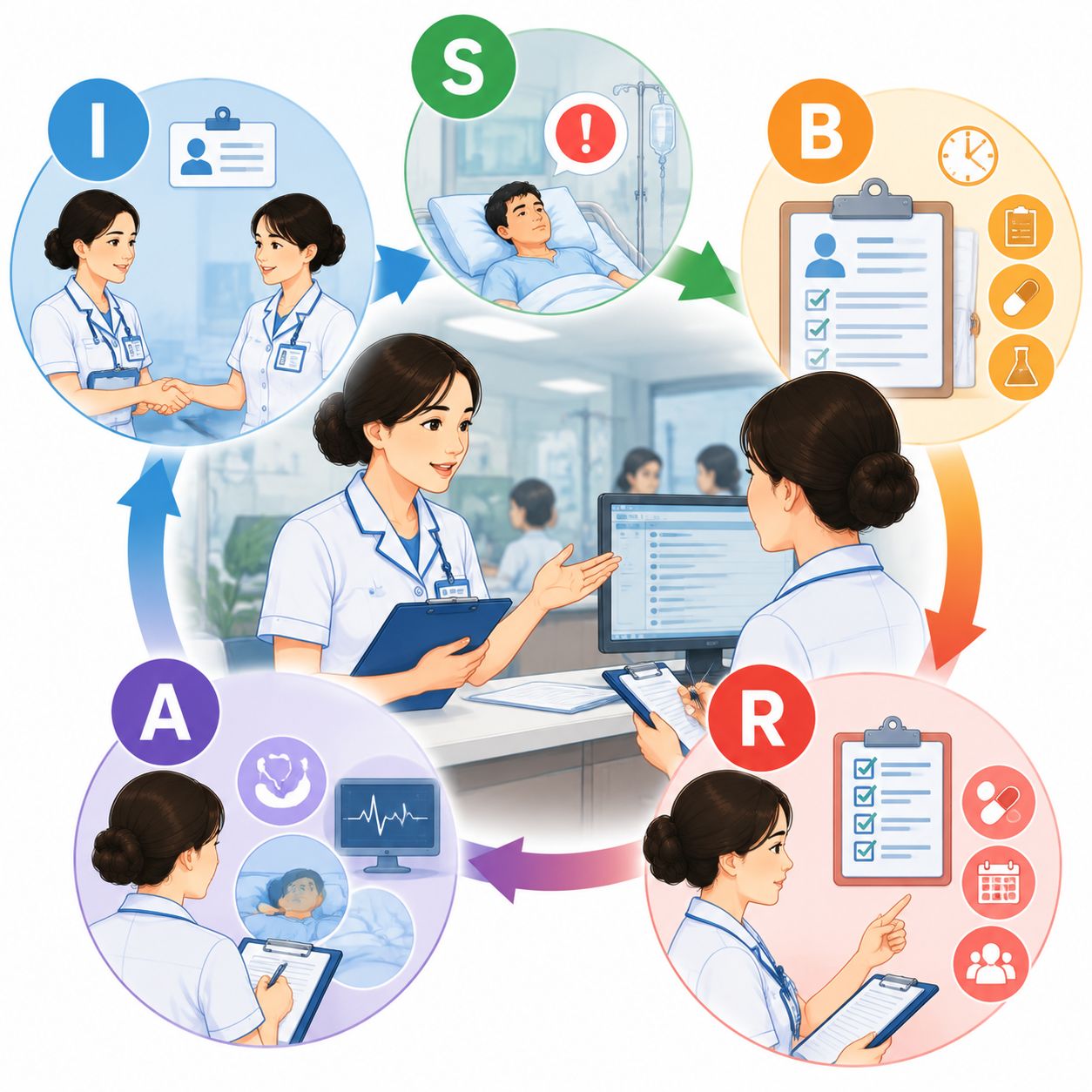
Handover is an essential component of nursing communication to ensure continuity of care, interprofessional coordination, and patient safety. The ISBAR (Introduction, Situation, Background, Assessment, Recommendation) model is a structured communication approach that facilitates the systematic and accurate transfer of patient information. This study aimed to describe the implementation of the ISBAR model in nurse handover among primary nurses in the inpatient wards of Santa Elisabeth Hospital Medan. This study used a descriptive design with a quantitative approach. The study sample consisted of 52 primary nurses selected using a total sampling technique. Data were collected using an observation checklist assessing the implementation of the ISBAR model, which included five components: Introduction, Situation, Background, Assessment, and Recommendation. Data were analyzed using univariate analysis presented as frequency distributions and percentages. The results showed that the overall implementation of the ISBAR model during the handover process was categorized as good among all respondents (100%). However, indicator-based analysis revealed variations in implementation, particularly in the delivery of nursing interventions that had been performed (75.0%) and the communication of supporting examination results (78.8%). The implementation of the ISBAR model in nurse handover among primary nurses has been well established; however, several communication components, particularly the Background and Assessment aspects, require further improvement to enhance information completeness and support patient safety.
Downloads
References
Chaica, V., Marques, R., & Pontífice-Sousa, P. (2024). ISBAR: A handover nursing strategy in emergency departments, scoping review. Healthcare, 12(3), 399. https://doi.org/10.3390/healthcare12030399
Handayani, T., Hasanah, N., & Wargiah, W. (2024). Hubungan Komunikasi SBAR Handover dengan Kepuasan Kerja Perawat di RSUD. Jurnal Wacana Kesehatan, 9(1), 37–43. https://doi.org/10.52822/jwk.v9i1.640
Husna, N., Rahman, W., Ayuni, D. Q., Binti, F., & Said, M. (2024). The impact of ISBAR (Identity, Situation, Background, Assessment, Recommendation, Read-back, Risk) implementation on nursing shift handover quality and patient satisfaction improvement at Pariaman Regional Public Hospital. Malaysian Journal of Nursing, 16(1, Suppl. 1), 150–165. https://doi.org/10.31674/mjn.2024.v16isupp1.015
Lazzari, C. (2024). Implementing the verbal and electronic handover in general and psychiatric nursing using the Introduction, Situation, Background, Assessment, and Recommendation framework: A systematic review. Iranian Journal of Nursing and Midwifery Research, 29(1), 23–32. https://doi.org/10.4103/ijnmr.ijnmr_24_23
Manalu, T., Anisah, S., Pertiwi, I., & Murtiani, F. (2023). Pengetahuan Perawat dalam Pelaksanaan Komunikasi SBAR pada Saat Handover. Jurnal Ilmiah Ilmu Keperawatan dan Ilmu Kesehatan Masyarakat, 18(2), 121–129. https://doi.org/10.32504/sm.v18i2.639
Muharni, S., Wardhani, U. C., & Yusniar, Y. (2023). Hubungan Pelaksanaan Handover SBAR dengan Komunikasi Interprofesional Perawat di RSUD Kota Tanjungpinang Tahun 2023. Jurnal Medika Husada, 3(2), 31–37. https://doi.org/10.59744/jumeha.v3i2.45
Mulyanasari, R., Rivani, B., & Lestari, P. (2024). Faktor-Faktor yang Berhubungan dengan Kepatuhan Perawat dalam Penerapan Komunikasi SBAR di Ruang Rawat Inap RS Buah Hati Ciputat. Jurnal Kesehatan STIKes IMC Bintaro, 7(1), 62–74. https://doi.org/10.63448/rsq37v86
Nasrianti, Mulyati, Setiawati, Asmirajanti, M., & Irianto, G. (2022). Pelaksanaan Handover Perawat dengan Komunikasi SBAR pada Pelayanan Keperawatan. Jurnal Keperawatan Silampari, 6(1), 356–365. https://doi.org/10.31539/jks.v6i1.4222
Pun, J. (2021). Factors associated with nurses’ perceptions, their communication skills and the quality of clinical handover in the Hong Kong context. BMC Nursing, 20, 95. https://doi.org/10.1186/s12912-021-00624-0
Pun, J. (2023). Nurses’ perceptions of the ISBAR handover protocol and its relationship to the quality of handover: A case study of bilingual nurses. Frontiers in Psychology, 14, 1021110. https://doi.org/10.3389/fpsyg.2023.1021110
Purwaningsih, I., Ratnasari, & Arief, Y. (2025). Faktor yang Berpengaruh dalam Pelaksanaan Serah Terima Menggunakan Teknik SBAR Determinant. Jurnal Keperawatan Sumba, 3(2), 77–83. https://doi.org/10.31965/jks.v3i2.1886
Reime, M. H., & Tangvik, L. S. (2024). Intrahospital handovers before and after the implementation of ISBAR communication: A quality improvement study on ICU nurses’ handovers to general medical ward nurses. Nursing Reports, 14(3), 2072–2083. https://doi.org/10.3390/nursrep14030154
Saragih, A. M. L., & Novieastari, E. (2022). Optimalisasi Penerapan Komunikasi SBAR saat Serah Terima Pasien Antar Shift Keperawatan. Jurnal Keperawatan Silampari, 6(1), 36–43. https://doi.org/10.31539/jks.v6i1.3755
Sari, T. A., & Rivai, F. (2025). Hubungan Penerapan SBAR dengan Kualitas Pelaksanaan Handover Perawat di Instalasi Rawat Inap RSUD Kota Makassar. Hasanuddin Journal of Public Health (HJPH), 6(2), 153–168. https://doi.org/10.30597/hjph.v6i2.43867
Yetti, K., Dewi, N. A., Wigiarti, S. H., & Warashati, D. (2021). Nursing handover in the Indonesian hospital context: Structure, process, and barriers. Belitung Nursing Journal, 7(2), 113–117. https://doi.org/10.33546/bnj.1293
Downloads
Published
How to Cite
Issue
Section
License
Copyright (c) 2026 Lestari Wahyuni Sigiro, Gryttha Tondang, Magda Siringo-ringo, Bernadetta Ambarita

This work is licensed under a Creative Commons Attribution-ShareAlike 4.0 International License.